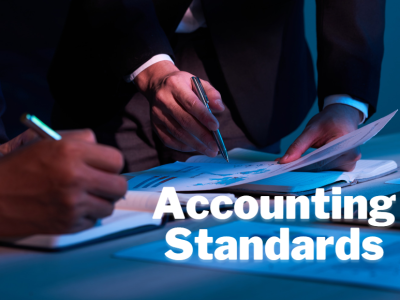

Accountant

The Unsung Architect of Financial Order: Understanding the Role of an Accountant

Introduction: More Than Just Numbers

In the tapestry of modern business, where innovation and technology often take the spotlight, there exists a quieter, less celebrated figure whose influence is fundamental — the accountant. While often perceived as number-crunchers buried in spreadsheets, accountants are, in reality, the architects of financial integrity. Their meticulous attention to detail, strategic thinking, and ethical compass make them indispensable to the success and sustainability of organizations, both large and small.

The True Definition of an Accountant

An accountant is a professional trained to record, interpret, and manage financial transactions. But their work goes beyond balancing books or filing taxes. They analyze data to provide insight, ensure regulatory compliance, and advise on financial strategy. Whether working within a corporation, a government entity, or a private firm, accountants bring structure to economic operations and accountability to every dollar spent.

Key Roles and Responsibilities

Accountants take on a wide variety of responsibilities, depending on their specialization. However, some core duties are common across the profession:

  • Financial Recordkeeping: Maintaining accurate records of all financial transactions, including income, expenses, assets, and liabilities.

  • Reporting and Analysis: Preparing reports such as balance sheets, income statements, and cash flow statements to inform strategic decisions.

  • Budget Planning: Helping businesses forecast future revenue and expenses, and providing guidance on cost control.

  • Tax Preparation and Planning: Ensuring that organizations comply with tax laws while also seeking lawful ways to minimize liabilities.

  • Audit and Assurance: Verifying the accuracy of financial information and internal processes to maintain transparency and compliance.

  • Consultancy: Advising clients on investment strategies, risk management, mergers, and acquisitions.


Types of Accountants

The accounting profession is diverse, and roles often vary based on specialization. Understanding these distinctions helps clarify the dynamic nature of the field.

1. Public Accountants

Often working for firms or as independent consultants, public accountants serve multiple clients. They offer a range of services including auditing, tax preparation, and advisory roles.

2. Management Accountants

Also known as cost, managerial, corporate, or private accountants, these professionals work within organizations. They focus on internal financial planning and decision-making support.

3. Government Accountants

These individuals handle public funds, ensuring that government departments operate within budgetary constraints and in compliance with relevant laws.

4. Forensic Accountants

Combining accounting with investigative skills, forensic accountants uncover fraud, embezzlement, and financial misconduct. They often assist in legal proceedings.

5. Certified Public Accountants (CPAs)

This designation is one of the most respected in the industry. CPAs must pass rigorous examinations and adhere to strict ethical standards. They are authorized to perform audits and represent clients before the IRS.

The Skills That Define Excellence

To succeed in this demanding field, accountants must possess a well-rounded skill set that goes beyond numerical prowess.

  • Analytical Thinking: Ability to interpret complex data and draw meaningful conclusions.

  • Attention to Detail: A minor error in figures can lead to major financial consequences.

  • Ethical Judgment: Trust and integrity are paramount, as accountants often handle sensitive information.

  • Communication: Translating financial jargon into understandable insights for stakeholders.

  • Technological Proficiency: Familiarity with accounting software, data analytics, and enterprise resource planning systems.

The Evolving Landscape of Accounting

The profession is not immune to the digital revolution. In fact, accounting has undergone a significant transformation in recent years.

Automation and AI

Routine tasks such as data entry, invoice processing, and even basic auditing are increasingly handled by software and AI tools. This shift allows accountants to focus more on strategic advisory roles.

Cloud-Based Accounting

Cloud technology has made real-time financial data accessible from anywhere, streamlining collaboration between accountants and clients.

Regulatory Complexity

As global commerce becomes more complex, accountants must stay abreast of ever-evolving financial regulations, tax laws, and reporting standards.

ESG and Sustainability Reporting

In today’s socially conscious environment, accountants are also contributing to environmental, social, and governance (ESG) reporting — evaluating the long-term sustainability of an organization.

The Ethical Bedrock of the Profession

Trust is the cornerstone of the accounting profession. With access to sensitive financial information, accountants are held to high ethical standards. Breaches of integrity can have far-reaching consequences — not just for the accountant, but for the businesses and lives they impact. Codes of ethics from professional bodies like the AICPA or ICAI reinforce the importance of honesty, transparency, and objectivity.


Why Accountants Matter More Than Ever

In uncertain economic times, the guidance of a skilled accountant is invaluable. They provide clarity in chaos, helping organizations navigate turbulent markets and make prudent choices. As stewards of financial health, accountants are often the quiet force behind successful enterprises.

Conclusion: The Future Belongs to the Financially Informed

The image of the accountant is evolving. No longer confined to back offices or limited to tax season, today’s accountants are strategic thinkers, ethical guardians, and business partners. In a world that increasingly values transparency, sustainability, and informed decision-making, the role of an accountant has never been more crucial.

As businesses continue to face new challenges and opportunities, the demand for skilled, ethical, and adaptable accountants will only grow. Whether you’re a student contemplating your career path, a business owner seeking financial guidance, or simply someone who appreciates order amidst complexity — recognizing the value of accountants is not just wise, it’s essential.

What is your reaction?

Excited
0
Happy
0
In Love
0
Not Sure
0
Silly
0

You may also like

Comments are closed.

More in:Accountant